
What is range anxiety?
At Fresh Pharma we have been researching EVs. Electric vehicles (EVs) have been touted as the future of transport. 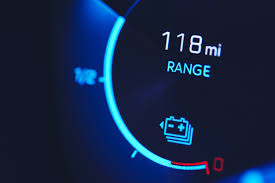 They are allegedly environmentally friendly, require less maintenance, and have most relevant in todays climate lower operating costs compared to traditional Internal Combustion Engines (ICE)-powered vehicles. However, one concern that has been preventing many people from making the switch to an electric car is range anxiety.
Range anxiety is the fear of running out of battery power while driving an electric vehicle. It is a genuine concern for many potential electric vehicle owners who worry that they will be stranded on the side of the road with no power source. Unlike ICE-powered vehicles, which can be refuelled in minutes, charging an EV can take several hours, when you get to a charging station, making it less convenient for long-distance travel.
First a quick plug – Our sister companies ‘Fresh Logistics‘ whom are Refrigerated Couriers and ‘Fresh Fridge Hire‘ are out (compliant GDP) refrigerated vehicle hire
Average Low Range of an Electric Vehicle
The average low range of an electric vehicle varies depending on battery size, driving style, load, and weather conditions. Many smaller or older EV models offer ranges that can drop below 100 miles under heavy use, particularly in cold weather or with additional payloads. While manufacturers often advertise ranges over 200 miles, these figures are usually based on ideal conditions and light loads. For commercial use, such as refrigerated transport or carrying heavy goods, the practical range can reduce significantly, making careful route planning essential.
EV makers continue to improve battery technology to extend range. Newer models feature larger batteries and more efficient power management, allowing drivers to travel longer distances between charges. For instance, Tesla and other premium brands are introducing vehicles capable of over 500 miles on a single charge. While these high-range vehicles reduce range anxiety, they come with higher purchase costs, which may make them less practical for everyday commuting or commercial operations.
Understanding your EV’s real-world range is crucial to avoid unexpected stops and to plan charging strategically. Drivers must consider payload, terrain, temperature, and driving speed when estimating how far their vehicle can travel. For many commercial applications, choosing an EV with a higher battery capacity or access to rapid charging infrastructure is essential to maintain efficiency and reliability.
Infrastructure to Prevent Range Anxiety in Electric Vehicles
The expansion of charging infrastructure is a key solution to reduce range anxiety for electric vehicle drivers. Across the UK, charging stations are becoming more widespread, particularly along major motorways and in urban areas. Many energy providers and private companies are investing heavily in rapid and ultra-rapid charging networks. These allow drivers to recharge quickly during journeys, making long-distance travel far more practical. Service stations, retail parks, and public car parks now commonly offer charging points, enabling drivers to top up while carrying out daily activities. This growing network improves accessibility and confidence for EV owners.
Despite this progress, several challenges remain. The cost of installing and maintaining charging stations can be high, which slows expansion in some areas, particularly rural locations. In addition, the lack of standardisation across charging networks can create confusion. Different providers may require separate apps, payment methods, or memberships, making it less convenient for drivers. Compatibility between chargers and vehicles can also vary, adding another layer of complexity.
However, ongoing investment and government support continue to improve infrastructure. As networks expand and systems become more standardised, charging will become simpler and more reliable. This progress will play a crucial role in reducing range anxiety and supporting the wider adoption of electric vehicles across the UK.
The Solution to Range Anxiety
Solution 1: Plan Your Route to Reduce Range Anxiety
Planning your route is one of the simplest ways to reduce range anxiety. Before travelling, check charging locations along your journey and identify reliable stopping points. This ensures you always have access to power when needed. Apps such as PlugShare and EV Trip Planner help drivers locate charging stations, check availability, and estimate range accurately. Planning also allows you to avoid unnecessary detours and delays. By understanding distances and charging options in advance, you can travel with greater confidence. A well-planned journey removes uncertainty and helps make electric vehicle driving more predictable and stress-free.
Solution 2: Install a Home Charging Station to Reduce Range Anxiety
Installing a home charging station is one of the most effective ways to reduce range anxiety. Charging overnight ensures your vehicle starts each day with a full battery. This eliminates the need to rely on public charging for daily use. Home chargers are relatively affordable and straightforward to install, making them a practical long-term solution. They also provide faster and more reliable charging compared to standard plugs. For many drivers, home charging becomes part of a daily routine. This convenience removes uncertainty and makes electric vehicle ownership far more manageable and efficient.
Solution 3: Use Public Charging Stations to Reduce Range Anxiety
Public charging stations play an important role in helping drivers reduce range anxiety. Many towns and cities across the UK now offer accessible charging points in car parks, retail parks, and service stations. These locations allow drivers to top up their battery while shopping or taking a break. Some chargers are free, while others charge a small fee. Rapid chargers can significantly reduce charging time, making longer journeys more practical. By becoming familiar with nearby charging locations, drivers gain confidence and flexibility. Public infrastructure continues to grow, making electric vehicle travel easier and more convenient.
Solution 4: Invest in a Portable Charger to Reduce Range Anxiety
A portable charger offers added reassurance and helps reduce range anxiety during unexpected situations. These compact devices can be stored in your vehicle and used when access to fixed charging points is limited. They are particularly useful for long journeys or rural routes where infrastructure may be less developed. While portable chargers are not as fast as dedicated stations, they provide a valuable backup option. Having this extra level of security allows drivers to travel with confidence. Knowing you have a backup charging solution can make electric vehicle ownership feel far more flexible and reliable.
Solution 5: Upgrade Your Electric Vehicle to Reduce Range Anxiety
Upgrading your electric vehicle can significantly reduce range anxiety. Newer models offer improved battery capacity, allowing longer distances on a single charge. Advances in technology have also increased efficiency and reduced charging times. Many modern electric vehicles include smart features such as real-time range monitoring and route planning assistance. These tools help drivers manage journeys more effectively. An upgrade can also provide improved comfort, safety, and performance. As electric vehicle technology continues to evolve, range limitations become less of a concern, making driving more convenient and enjoyable for everyday use.
Conclusion
Range anxiety remains one of the biggest barriers to wider electric vehicle adoption, but it is becoming far less of a concern with the right approach. Careful route planning, access to reliable charging, and a better understanding of your vehicle’s range can make everyday driving far more predictable. Installing a home charger provides convenience and peace of mind, while the growing network of public charging points across the UK makes longer journeys increasingly practical.
Portable chargers offer added flexibility in unexpected situations, and newer electric vehicles now deliver improved battery range and efficiency compared to earlier models. As technology continues to advance, charging becomes faster and infrastructure more accessible.
By combining smart planning with the right tools and vehicle choice, drivers can confidently manage their journeys without disruption. Range anxiety does not need to limit your decision. With the right preparation, electric vehicle ownership becomes convenient, reliable, and well suited to modern driving needs.
Range anxiety is the fear that your electric vehicle will run out of battery before reaching a charger. It can make drivers avoid longer trips or worry about every journey. Knowing your EV’s range and planning charging stops can turn this stress into confidence. Yes, it’s very real. Even with modern EVs, uncertainty about battery life, charging stations, and long trips can cause stress. It’s both practical and psychological, especially for drivers new to electric vehicles or travelling in areas with limited charging. It can. Experience, route knowledge, and familiarity with your EV’s true range reduce fear over time. As charging networks grow and battery tech improves, drivers quickly realise most trips are well within reach, making range anxiety fade. Plan your route, know charging points, and keep your EV topped up. Home chargers, public rapid chargers, and portable units all help. Upgrading to a longer-range vehicle adds extra peace of mind. Awareness and preparation are the fastest ways to stop range anxiety.