Boosting Business Growth with Emerging Technologies
In the fast-paced world of business, companies need to stay ahead of the curve to survive and thrive. 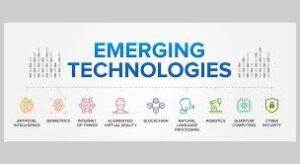 One key way to do this is by utilising traceability data and emerging technologies to boost growth. In this blog, we’ll explore what traceability data is, how it can help your business, and the emerging technologies that are shaping the future of traceability.
First a quick plug – Our sister companies ‘Fresh Logistics‘ whom are Refrigerated Couriers and ‘Fresh Fridge Hire‘ are out (compliant GDP) refrigerated vehicle hire
Introduction to Emerging Technologies
In today’s highly competitive business landscape, it’s more important than ever to utilise all the tools at your disposal to boost growth. One key tool that many businesses overlook is traceability data. By leveraging the power of traceability data and emerging technologies, businesses can gain insights into their operations that were previously impossible to obtain. This can lead to improved efficiency, increased profitability, and ultimately, sustained growth.
What is Traceability Data in Emerging Technologies?
Traceability data is data that tracks the movement of goods and products throughout the supply chain. This can include everything from raw materials to finished goods, and can provide valuable insights into the efficiency and effectiveness of a company’s operations. Traceability data can be collected through a variety of means, including barcodes, RFID tags, and GPS tracking.
The Benefits of Traceability Data in Emerging Technologies
The benefits of traceability data are numerous. For one, it allows businesses to track the movement of goods throughout the supply chain, providing valuable insights into the efficiency of their operations. This can lead to improved logistics, reduced waste, and increased profitability.
Traceability data also enables businesses to identify and mitigate supply chain risks. By tracking the movement of goods, businesses can quickly identify issues such as delays, bottlenecks, and quality control problems, and take steps to address them before they become major issues.
Finally, traceability data can help businesses improve their relationships with customers. By providing real-time information about the movement of goods. Businesses can improve communication with customers, build trust, and ultimately, increase customer satisfaction.
Emerging Technologies in Traceability
As technology continues to evolve, so do the possibilities for traceability. Businesses are increasingly adopting emerging technologies to track products, optimize supply chains, and enhance operational efficiency. Two key technologies transforming traceability are blockchain and the Internet of Things (IoT).
Blockchain technology is revolutionizing supply chain management by providing a secure, decentralized ledger for tracking goods. Every transaction or movement of a product is recorded in a tamper-proof system, ensuring data integrity and transparency. This allows all parties in the supply chain—from manufacturers to distributors to retailers—to access accurate and reliable information in real time. Blockchain also helps prevent fraud, counterfeiting, and data manipulation, making it particularly valuable for industries such as food, pharmaceuticals, and luxury goods.
The Internet of Things (IoT) is another game-changing Emerging Technologies for traceability. IoT devices, such as sensors, GPS trackers, and smart tags, provide real-time visibility into the movement and condition of products. For example, temperature sensors can monitor perishable goods during transport, ensuring compliance with safety standards and reducing waste. Similarly, GPS-enabled devices allow businesses to track shipments and optimize delivery routes, improving efficiency and cost-effectiveness.
By integrating blockchain and IoT, companies can create a fully transparent, connected supply chain where every product is tracked from origin to end customer. This combination not only enhances operational control but also boosts customer trust by providing proof of authenticity and product history.
In conclusion, emerging technologies like blockchain and IoT are reshaping traceability, enabling businesses to improve efficiency, reduce waste, and increase profitability. Companies that adopt these innovations are better positioned to stay competitive in a data-driven, technology-focused market.
Artificial Intelligence (AI) Revolutionizing Traceability in Emerging Technologies
Artificial Intelligence (AI) is transforming emerging technologies and playing a pivotal role in enhancing traceability across industries. By leveraging machine learning algorithms and advanced analytics, AI allows businesses to gain deeper insights into their supply chains and operations. This data-driven approach makes it possible to detect patterns, predict potential bottlenecks, and optimize workflows—capabilities that were previously difficult or impossible to achieve.
AI-powered traceability systems can analyze vast amounts of data from barcodes, RFID tags, GPS tracking, and IoT sensors in real time. For example, in the food industry, AI can track the journey of perishable goods from farm to table. Identifying risks such as spoilage or contamination before they impact customers. In pharmaceuticals, AI helps monitor temperature-sensitive shipments. Ensuring drugs remain effective and compliant with regulatory standards. In logistics, AI can optimize routing and inventory management, reducing delays and operational costs.
The benefits of combining AI with traceability are substantial. Businesses can improve operational efficiency, reduce waste, and increase profitability by making informed, timely decisions. Additionally, AI enhances product quality, compliance, and transparency, helping companies build trust with customers and partners.
As industries continue to adopt emerging technologies, AI-driven traceability is becoming essential for companies seeking a competitive advantage. By integrating AI into traceability systems, businesses can transform raw data into actionable insights, streamline supply chain operations, and drive sustainable growth.
Mobile phone apps increase accessibility to traceability?
Mobile phone apps have revolutionised the way businesses manage and share traceability data. With the increasing use of mobile devices, businesses can easily collect and track information on their products and operations in real-time, making it easier to identify and address issues along the supply chain.
One of the main benefits of mobile phone apps is their ease of use. Apps can be downloaded and used on-the-go, making it easier for businesses to collect data from multiple sources and share it with partners along the supply chain. Additionally, many apps provide real-time alerts and notifications, allowing businesses to quickly respond to any issues that arise.
Another benefit of mobile phone apps is their ability to improve data accuracy. By using automated data collection methods and integrating with other systems, apps can reduce the risk of manual errors and ensure that data is up-to-date and accurate.
Mobile phone apps can also improve collaboration and communication along the supply chain. By sharing traceability data in real-time, businesses can work together to address issues and identify opportunities for improvement. This can lead to increased efficiency, reduced waste, and enhanced quality throughout the entire supply chain.
In conclusion, mobile phone apps are an important tool for businesses looking to increase accessibility to traceability data. With their ease of use, improved data accuracy, and ability to improve collaboration and communication, mobile phone apps are a valuable asset for businesses seeking to optimise their operations and boost growth.
Reduction in costs of Apps
The increasing use of mobile phone apps is due to the reduction in costs with development and deployment. In the past, businesses would have to invest significant resources in developing custom software. Hiring IT professionals to manage their data collection and management processes. However, the advent of low-code and no-code app development platforms has made it easier and more affordable for businesses to develop and deploy apps on their own.
Low-code and no-code platforms provide pre-built components and drag-and-drop interfaces. Thus allowing users to create custom apps without needing extensive coding knowledge. This has significantly reduced the costs associated with app development, making it accessible to businesses of all sizes.
Furthermore, the proliferation of cloud-based app deployment has further reduced costs. By eliminating the need for businesses to invest in expensive hardware and infrastructure. With cloud-based apps, businesses can deploy their apps on a subscription basis, paying only for the resources they use.
The reduction in costs associated with app development and deployment has made it easier for businesses to collect and manage traceability data. Leading to increased adoption of traceability technologies. This, in turn, has led to improved supply chain visibility, increased efficiency, and enhanced product quality.
Conclusion for Emerging Technologies
Traceability data, when combined with emerging technologies, is a powerful tool for modern businesses. By tracking products throughout the supply chain and analyzing operational insights, companies can improve efficiency. Further, enhance quality control, and ensure compliance. Leveraging traceability data not only reduces waste and operational costs but also builds customer trust through transparency.
In an increasingly competitive market, businesses that adopt traceability solutions are better positioned to make data-driven decisions and optimise workflows. Achieving sustainable growth. Investing in traceability technologies is no longer optional. It is a strategic step toward operational excellence, higher profitability, and long-term business success.
While different sources list various technologies, a commonly recognised set of 5 key emerging technologies currently shaping the future includes: A broader list of 10 widely cited emerging technologies includes: Some of the current emerging tech trends you’ll see across industries today include: The Essential Eight framework identifies critical technologies that businesses should prioritise: According to recent expert industry forecasts for 2026, the top emerging technologies to watch include: